




How to Choose the Perfect Tire Stickers: A Guide to Personalizing Your Ride
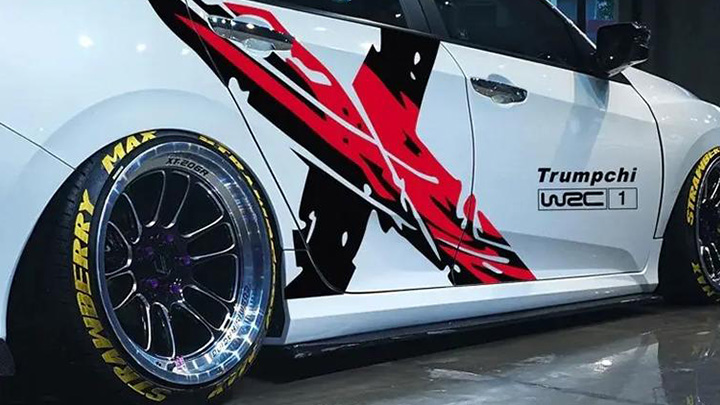
Tire stickers, also known as tire lettering or tire ink, have become a popular way to add a unique, sporty, or custom look to a vehicle. They transform ordinary black sidewalls into a canvas for brand logos, custom text, or racing-inspired designs. However, selecting the right tire stickers requires careful consideration of material, durability, and application. Here’s a comprehensive guide to help you make the best choice.
1. Understand the Types
First, know what you’re buying. Tire stickers are not all created equal.
- Pre-cut Vinyl Letters/Graphics: These are adhesive vinyl kits, typically made for the tire sidewall. They are the most common and user-friendly.
- Tire Paint/Pens: These are permanent paints or markers designed for rubber. They offer a custom look but require a steady hand and artistic skill.
- Inflation Stencils: For a truly permanent solution, professional shops use stencils and special rubber-specific paint or dye that bonds with the tire.
- Temporary Tire Decals: Often used for events, shows, or photoshoots, these are easy to apply and remove but lack long-term durability.
2. Prioritize Material & Quality
This is the most critical factor for durability and safety.
- High-Grade Vinyl: For adhesive kits, look for flexible, high-performance vinyl (like automotive-grade calendered or cast vinyl) specifically designed for tires. It must withstand extreme flexing, stretching, and weathering.
- Adhesive: The adhesive must be super-strong and formulated for rubber. It should resist peeling from centrifugal force, heat, and moisture.
- Paint Quality: If using paint, ensure it is tire-specific rubber paint or dye. Standard spray paint will crack, peel, and fade quickly. Look for brands known for tire lettering.
3. Consider Durability & Performance
Tire stickers live in a harsh environment. Assess their resilience against:
- Flex and Stretch: Tires deform with every rotation. The material must be extremely elastic.
- Weather Resistance: It must withstand UV rays (to prevent fading), rain, snow, road salts, and ozone exposure.
- Chemical Resistance: It should hold up against tire shine products, brake dust, and common road chemicals.
- Abrasion and Debris: The stickers must resist sand, gravel, and curbing. Look for "abrasion-resistant" claims.
- Temperature Extremes: From freezing winters to hot summer pavement.
4. Design & Customization Options
- Pre-Designed Kits: Many companies offer kits for popular tire brands (e.g., "BFGoodrich," "Michelin," "Nitto") or generic racing phrases ("Racing," "Essenza").
- Fully Custom: Most reputable sellers allow you to upload your own text, choose fonts, and pick colors. This is ideal for personal branding or unique messages.
- Color Choices: Classic white is most popular for high contrast. Consider colors like yellow, red, or reflective options. Ensure colored vinyl is also UV-protected.
- Size and Fit: Measure your tire sidewall's flat lettering area carefully. Kits are often sold by tire size (e.g., for a 275/40R19). A proper fit is crucial for a professional look.
5. Ease of Application & Removal
- Application Difficulty: Vinyl kits require a clean, dry tire and patience. Many include application tape to hold letters in place. Paint kits require meticulous stencil work and prep. Read reviews about user-friendliness.
- Surface Prep: The tire must be impeccably clean. Use a dedicated tire sidewall cleaner (not all-purpose cleaner) to remove all mold release agents, oils, and dressings. Isopropyl alcohol is a final must.
- Removal: Quality vinyl should peel off when desired, though some adhesive residue is possible. Permanent paint is, by definition, not removable without damaging the tire sidewall.
6. Safety First
- Balance: Properly applied thin vinyl or paint should not affect tire balance. However, avoid extremely thick materials.
- Tire Integrity: The stickers only adhere to the sidewall, not the tread or sidewall flex zones critical for structure. They should not compromise tire safety.
- Driving Conditions: For high-performance driving, off-roading, or track use, ensure the product is rated for such conditions. Some may not withstand extreme heat or flex.
7. Brand Reputation & Reviews
- Research brands thoroughly. Look for companies specializing in automotive graphics.
- Read customer reviews and look at long-term photo evidence. This is the best way to gauge real-world durability, fade resistance, and ease of application.
- Check for warranties or guarantees against peeling and fading.
8. Cost vs. Value
- The cheapest option is often a false economy. Tire stickers exist in a severe environment; investing in a premium kit ($50-$150+) from a proven brand will save frustration and look better longer.
- Professional painting is the most expensive but most permanent route.
Conclusion: Your Selection Checklist
Before purchasing, ask:
- Material: Is it flexible, tire-specific, high-performance vinyl or paint?
- Durability: Is it UV, chemical, abrasion, and weather-resistant?
- Fit: Is it the correct size and style for my specific tire?
- Prep & Application: Am I prepared to thoroughly clean the tire and follow instructions precisely?
- Reviews: What is the consensus from other users after months of driving?
Choosing the right tire stickers blends aesthetics with practical engineering. By prioritizing quality material and proven performance over initial cost, you can safely add a bold, personalized statement to your vehicle that lasts for miles. Remember, the foundation of a great look is a perfectly prepped, clean tire sidewall. Take your time, and enjoy customizing your ride's point of contact with the road.